Sustainability at Roser AG: Timber with traceability, responsibility and expertise
Wood is one of the most sustainable building materials of our time – provided it comes from responsibly managed forests and is processed to a high standard. As a renewable raw material, wood binds CO₂ as it grows and stores the carbon within the product throughout its entire lifespan. The longer wood is used, maintained, renovated or further processed, the better it can demonstrate its environmental benefits.
When it comes to wood, therefore, sustainability means more than just a good feeling. The key factors are provenance, the right type of wood, a transparent supply chain, durable products and expert advice. This is precisely where Roser AG comes in: as an FSC-certified specialist company with extensive experience in veneer, wood-based materials, parquet flooring, doors and decking.
Roser operates to high quality and sustainability standards, complies with the relevant industry and labelling requirements, and can trace the origin of all its timber. For customers, this means: traceable materials, secure sourcing, expert advice and timber products that impress in terms of aesthetics, technical performance and environmental credentials.
Why wood is a sustainable building material
Wood is a renewable resource, stores CO₂, and can replace many energy-intensive materials. At the same time, wood is versatile, durable and can be repaired. In buildings, interior fittings, floors, doors and decking, this raw material often remains in use for decades.
For wood to be truly sustainable, three things are needed:
- responsible sourcing from certified sources
- professional processing and application
- durable products with a clear provenance
Roser AG combines these elements with many years of industry experience. As a specialist timber company, Roser understands the technical properties of different types of timber, is familiar with the requirements of modern construction and interior design projects, and supports specialist clients in selecting suitable, sustainable solutions.
FSC-certified and with a transparent chain of origin
Roser AG is FSC-certified (CO20359) and is therefore committed to the responsible use of timber. FSC stands for timber sourced from responsibly managed forests and for traceable product chains.
Roser adheres to high standards right from the procurement stage. Wherever possible, timber from local or certified sources is used. The origin of the timber can be verified, the timber declaration is traceable and the supply chain is transparently documented.
This builds trust: architects, joiners, interior fitters, parquet specialists, door specialists and building clients receive not only a product, but also the assurance that they are working with a competent and responsible timber partner.
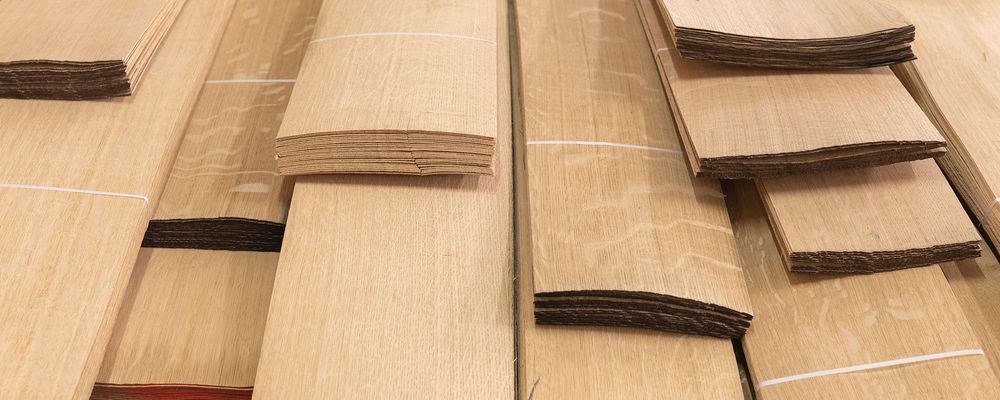
Veneer: maximum impact with efficient use of resources
Veneer is a particularly resource-efficient way of using wood. A valuable log is transformed into thin sheets of real wood, which can be used to finish large surfaces. This allows the natural beauty of the wood to shine through without making unnecessary extensive use of the raw material.
At Roser, veneer holds particular significance. As specialists in the field, we understand the effects of different timber species, grain patterns, textures and finishes, and draw on our extensive experience to advise you on your selection. Whether for interior fit-outs, furniture making, acoustic solutions or bespoke projects: veneer combines design, natural beauty and a mindful approach to the use of timber.
Sustainable benefits of veneer:
- highly efficient use of high-quality logs
- natural, genuine wood surface
- wide range of design possibilities
- long-lasting use in interior fit-outs
- ideal for high-quality, bespoke projects
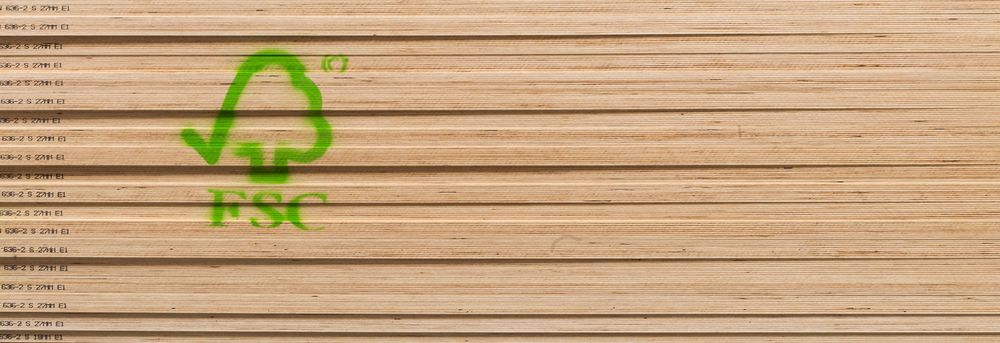
Wood-based materials: versatile, efficient and practical
Wood-based materials enable a particularly efficient use of wood as a raw material. Panel materials, substrate materials and specialist solutions make wood a predictable, stable and versatile material for modern interior design.
Sustainability is evident here above all in material efficiency. Wood-based materials make targeted use of the raw material, offer technical advantages and create durable solutions for furniture, wall cladding, doors, interior fittings and commercial projects.
Roser AG supports specialist customers in selecting suitable wood-based materials – tailored to the application, appearance, load-bearing capacity, workability and sustainability requirements. This results in solutions that are not only functional but also designed with responsibility in mind.
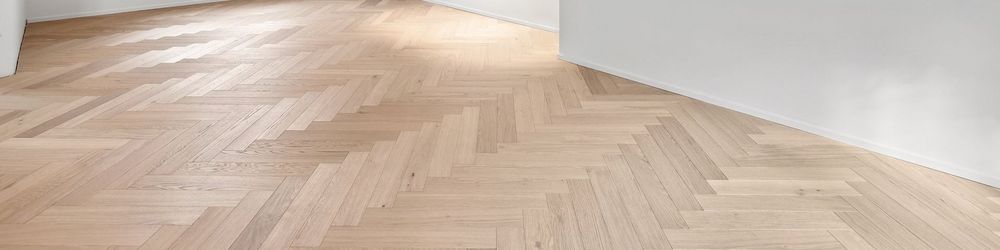
Parquet: a floor for generations
Parquet is a natural, durable floor covering of high quality. A high-quality wooden floor can be used and maintained for many years and, depending on its construction, can also be renovated. This means that a parquet floor does not need to be replaced prematurely, but remains a long-term feature of the room.
The sustainability of parquet is achieved through:
- durable wood species and high-quality workmanship
- professional installation
- suitable surface treatment
- easy maintenance
- the option to renovate rather than replace
Roser advises on choosing the right parquet for residential spaces, commercial properties and high-end interior fit-outs. Factors to consider include not only colour and format, but also wood species, wear and tear, surface finish, maintenance requirements and origin.
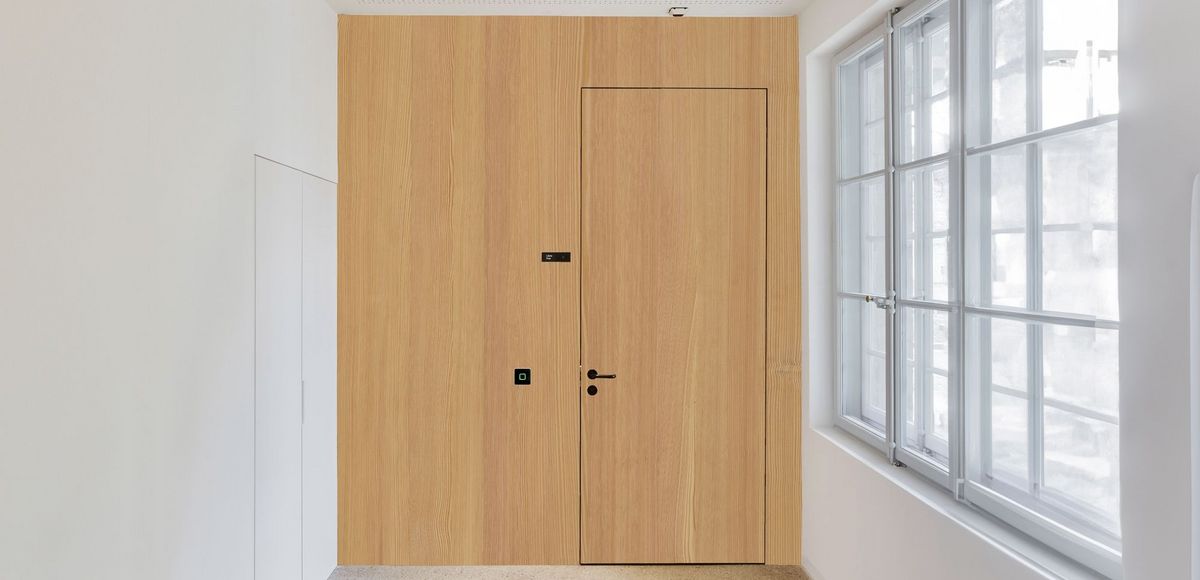
Doors: durable components designed with sustainability in mind
Doors often form part of a building for decades. That is why sustainability in doors is closely linked to quality, functionality and durability. A good door is technically, visually and functionally suited to the project – and remains in use for a long time.
Roser AG offers expert knowledge on doors, finishes, wood-based materials and suitable applications. Sustainable doors are characterised by reliable materials, clean workmanship, expert advice and a traceable origin.
Whether it’s an interior door, a functional door or a bespoke solution: Roser supports specialist clients in selecting doors that are architecturally compelling and meet the high standards of modern construction projects.
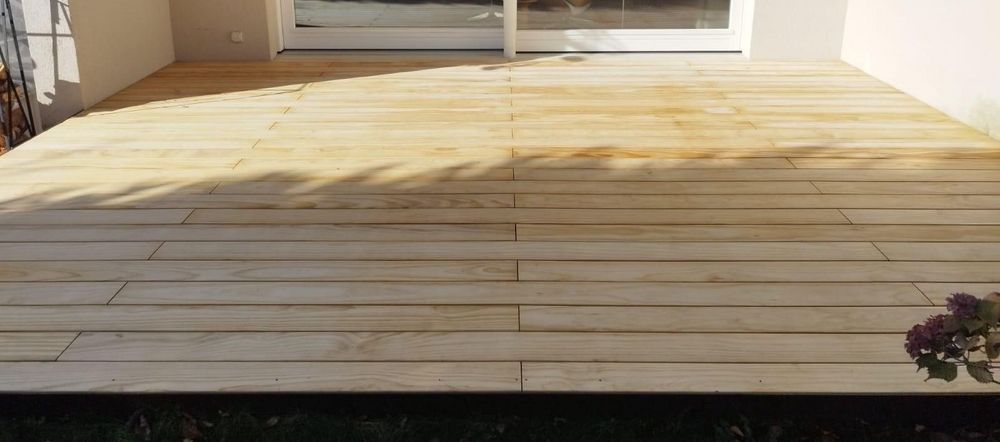
Patio: Making thoughtful use of wood in outdoor spaces
Wooden decking creates natural, warm and high-quality outdoor spaces. When it comes to outdoor areas, getting the right advice is particularly important, as weather conditions, moisture, construction and maintenance have a significant impact on the decking’s lifespan.
A sustainable wooden deck starts with the right type of timber and a verifiable origin. Transparency is crucial, particularly when it comes to timber for decking. Roser ensures traceable sources, FSC-certified products and expert recommendations for long-lasting applications.
Important for sustainable decking solutions:
- a suitable timber species for outdoor use
- verifiable origin and responsible sourcing
- a professionally installed substructure
- structural timber protection
- regular maintenance
- Long-term use rather than short-term replacement
With the right planning, a timber deck becomes a durable, natural and responsible solution for outdoor spaces.
Roser AG: Specialists in sustainable timber solutions
Sustainability requires specialist knowledge. Roser AG understands the timber industry, the materials and the requirements of professional fabricators. As an FSC-certified specialist timber company, Roser operates to high standards, documents the origin of its timber and supports customers with expert advice.
Whether it’s veneer, engineered wood products, parquet, doors or decking: Roser combines material expertise with a sense of responsibility. The result is timber solutions that are beautiful, durable, technically suitable and sourced transparently.
Anyone who works with Roser is choosing a partner who understands timber – from its origin through to processing and its use in the finished project.
Sustainability at our own site
As a local company, Roser AG also takes responsibility within its own operations. A solar panel system on the roof generates a large proportion of the electricity it requires. In addition, the lighting in the building has been converted to energy-efficient LED bulbs. We have also installed motion sensors in our high-bay warehouse, ensuring that we only use electricity when it is actually needed. In this way, Roser combines sustainable timber expertise with resource-efficient on-site operations.
Roser also relies on resource-efficient processes in its administration. Customers can receive electronic invoices, which saves paper and makes administrative processes more efficient. In this way, Roser reduces energy consumption in its day-to-day operations, avoids unnecessary paper use and relies on forward-looking solutions internally as well.
Frequently asked questions about sustainability at Roser
Yes, timber can be a very sustainable building material. The key is that it comes from responsibly managed forests, is used for a long time and is processed professionally. In that case, timber stores CO₂, replaces other resource-intensive materials and remains in the cycle for many years.
FSC stands for responsible forest management and a controlled supply chain. FSC certification demonstrates that defined environmental, social and economic standards are being met and that the supply chain is traceable.
Yes. Roser AG can trace the origin of all its timber and operates a transparent timber declaration system. This gives customers peace of mind when it comes to procurement, processing and project planning.
Veneer makes particularly efficient use of valuable logs. Large, high-quality surfaces are created from thin sheets of real wood. This allows the natural appearance of the wood to shine through, whilst making economical use of the raw material.
Parquet flooring is durable, natural and, depending on its construction, can be refurbished. A high-quality parquet floor can be used and maintained for many years. This extends its lifespan and reduces the need for replacement materials.
When it comes to wooden decking, the right type of wood, verifiable provenance, FSC-certified sourcing, professional installation and maintenance are crucial. This ensures that the decking remains attractive and functional for many years to come.
Roser AG is your specialist partner for timber that is traceable, high-quality and sourced responsibly. We offer personalised advice on veneer, wood-based materials, parquet flooring, doors and decking – providing expert, transparent guidance in line with high standards.